


How Many Google Reviews to Rank in Search (Local SEO Guide) | LevelUpBusiness.co
In the competitive online landscape, gaining visibility on Google Search and Google Maps is crucial for local businesses. One of the most influential factors that impacts local rankings is Google Reviews. But how many Google reviews does a business actually need to rank well? Is there a specific number that guarantees top placement in local search results?
The short answer: there isn’t a single “magic” number. But there are proven patterns and strategies that can significantly improve your local search visibility by leveraging Google Reviews effectively.
In this comprehensive guide, we’ll break down:
How Google uses reviews in local ranking
The real relationship between review quantity, quality, and ranking
What an ideal review strategy looks like in 2026
Practical ways to generate more reviews
Mistakes to avoid if you want to maintain reputation and rankings
Why Google Reviews Matter for Local Rankings
Before answering “how many reviews you need,” it’s essential to understand why reviews matter in the first place.
Google uses reviews as a ranking signal, especially for local search, also known as the Local Pack (the map listings that show up for searches like “coffee shop near me”). While Google doesn’t publicly disclose all ranking factors, numerous SEO studies show that reviews influence at least three key areas:
1. Trust and Authority
More reviews with high ratings signal to Google that your business is credible and reliable. For local SEO, trust matters more than sheer volume.
2. Relevance to Search Queries
Reviews contain keywords that customers naturally use — like “best pizza,” “friendly massage therapist,” or “fast car service.” Google uses these terms to better match your business to relevant searches.
3. Engagement and Signals of Popularity
A business with consistent review activity tells Google that users engage with your listing. Active engagement improves the likelihood of appearing in local search results.
But quantity alone isn’t enough. Let’s explore how many you might need.
Is There a “Magic Number” of Google Reviews?
Many business owners want a definitive answer, “How many reviews do I need to be #1?”
Here’s the reality:
There is no exact number of Google reviews that guarantees a top ranking.
Ranking depends on multiple factors, including competition, business category, location, and how well your other SEO elements are optimized.
However, data from local SEO studies suggests:
🔹 Local Businesses Ranking in the Local Pack Tend to Have:
20–50+ Google reviews — average range for competitive local markets
4.0+ average rating — high ratings matter more than sheer review count
Recent review activity — reviews within the last 30–90 days help signal freshness
So while there’s no fixed threshold, hitting at least 30+ reviews with strong ratings can significantly improve your chances of ranking better.
In low-competition markets, even 10–20 good reviews can make a major impact.
In highly competitive industries (law firms, dentists, salons), you might need 50–100+ reviews to stand out.
What Matters More: Quantity or Quality?
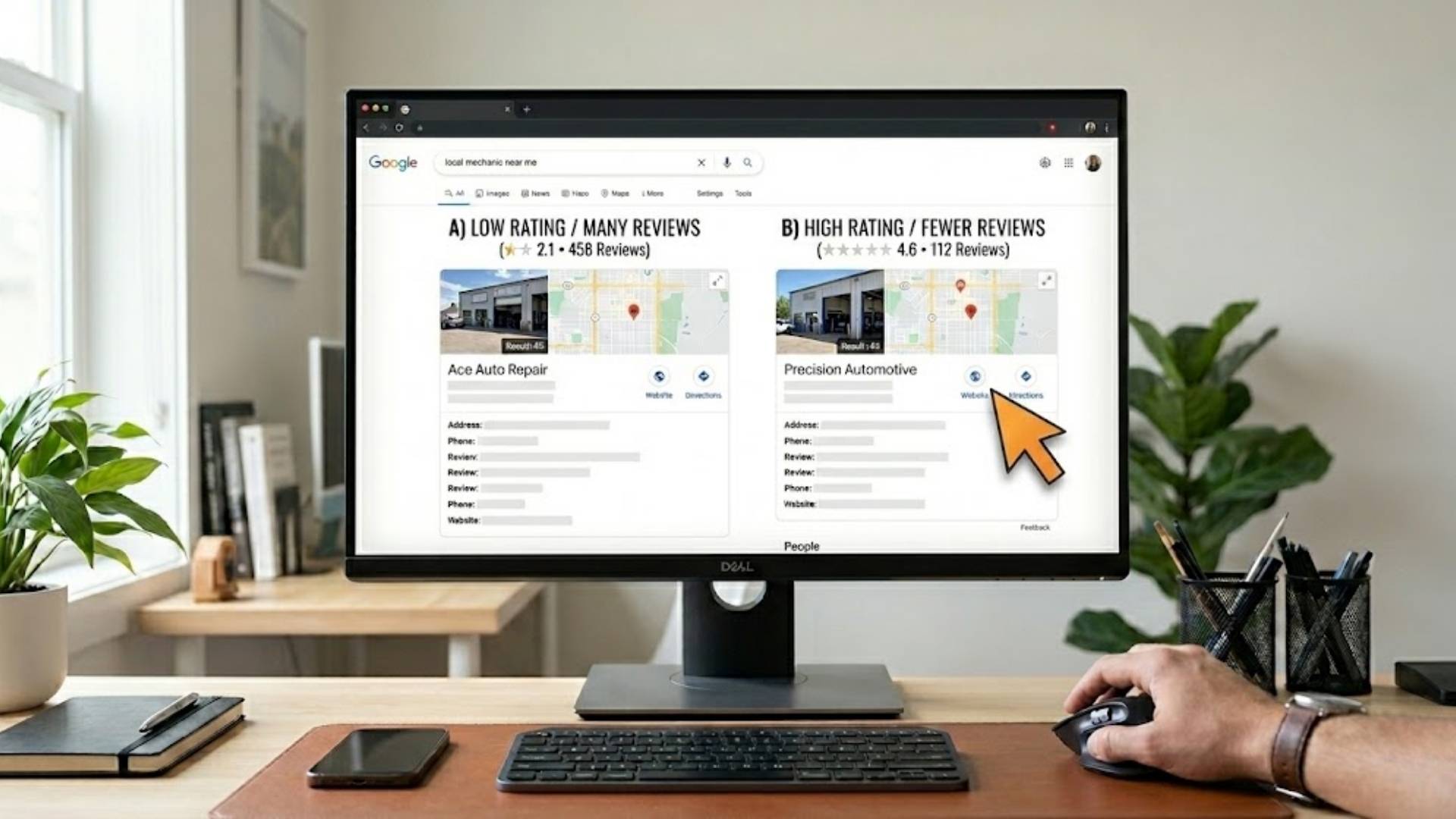
While accumulating reviews is important, quality and relevance outweigh quantity.
Here’s why:
🔸 Ratings Influence Click-Through Rate (CTR)
Users are far more likely to click on a business with:
⭐⭐⭐⭐1/2 average rating vs ⭐⭐ average rating
Even if two businesses have 100 reviews each, the higher-rated one attracts more clicks — which in turn signals Google that users prefer that business, boosting rankings.
🔸 Recent Reviews Signal Relevance
Google evaluates how recent your reviews are. A business with many old reviews but no recent activity may appear stagnant.
Recent positive reviews = active, engaging business
Frequent fresh reviews = better local trust signals
🔸 Content Within Reviews Helps Ranking
Reviews that mention specific services, products, locations, or features help Google associate relevant keywords with your business.
For example:
“Amazing pizza and delivery in downtown Phoenix!”
This helps your “pizza delivery downtown Phoenix” search visibility indirectly.
How Reviews Work in Google’s Ranking Algorithm
When someone searches for a local business on Google, the algorithm considers three core factors for local ranking:
1. Relevance
Does your business listing match the user’s search intent?
Business category
Product or service keywords
Location proximity
Reviews help increase relevance when customers mention keywords users search for.
2. Distance
How close your business is to the searcher’s location.
Reviews don’t directly affect distance, but they help Google better understand your business location through references and local keywords.
3. Prominence
How well-known or reputable your business is online.
This is where reviews matter most.
Google measures prominence through:
✔ Review count
✔ Average rating
✔ Review velocity (frequency)
✔ Mentions across the web
✔ Citations and business mentions
So reviews do more than boost credibility, they influence how prominent Google considers your business to be in local search.
How Many Reviews Competitors Have (Benchmarking)
To understand how many reviews you might need to rank well, compare your business to competitors:
Note: These ranges are estimates, not guarantees. What matters more is:
How your reviews compare to your competitors’
Your rating vs their rating
The recency and consistency of your reviews
5 Effective Strategies to Get More Google Reviews
Here are proven ways to increase quality reviews without violating Google policies:
1. Ask at the Right Moment
Peak moments include:
After a purchase
When a customer expresses satisfaction
End of a successful service interaction
A simple ask like:
“Would you mind leaving us a Google review? We really appreciate your feedback!”
works better than generic requests.
2. Make It Easy
Send direct links to your review page via:
SMS
Email
Receipt QR codes
Business cards
People are more likely to submit reviews if it only takes one or two taps.
3. Train Your Team
Teach your staff how and when to ask customers for reviews politely and naturally.
4. Offer Great Service
Better experience = more enthusiastic reviews.
Customers often want to share positive experiences; you just need to invite them.
5. Respond to All Reviews
Regularly reply to:
Positive feedback
Neutral or negative comments
Responding:
✔ Shows you care
✔ Encourages more people to leave feedback
✔ Signals engagement to Google
What NOT to Do When Trying to Get Reviews
Don’t incentivize or pay for reviews.
This violates Google’s guidelines and can result in penalties.
Don’t ask friends and family unless they are real customers.
Fake or irrelevant reviews can hurt credibility and visibility.
Don’t delete negative feedback.
Instead, respond constructively, this builds trust and shows transparency.
How Long It Takes to See SEO Benefits
SEO is a marathon, not a sprint. Here’s a realistic timeline:
Consistency matters more than speed.
Bonus: How Reviews Boost Beyond Rankings

Quality Google reviews also:
🔹 Improve your conversion rates, customers trust businesses with higher ratings
🔹 Increase click-through rates in search results
🔹 Boost brand reputation across platforms
🔹 Create user-generated content that enhances SEO
Tracking Your Review Performance
Track performance using:
✔ Google Business Profile insights
✔ Google Analytics
✔ Local SEO tracking tools (BrightLocal, Whitespark, Moz Local)
Measure:
Total review count
Rating trends
Review velocity (reviews per month)
Impact on rankings and traffic
Summary: How Many Reviews Do You Need to Rank?
✔ There’s no exact number that guarantees a top ranking
✔ Aim for 30+ reviews as a minimum benchmark
✔ In competitive niches, 50–100+ may be more realistic
✔ Quality > quantity — average ratings matter most
✔ Fresh and consistent reviews significantly boost local SEO
Focus on building authentic positive reviews, responding to them, and aligning review growth with your overall SEO strategy. Over time, review signals will help you climb higher in local search results, driving more visibility, traffic, and conversions for your business.
FAQs
1. Do more Google reviews help my SEO ranking?
Yes, more reviews help signal credibility, relevance, and user engagement. While not the sole ranking factor, reviews contribute significantly to local SEO performance.
2. How many reviews do I need to rank #1 locally?
There’s no exact number. A good rule of thumb is 30–50+ positive reviews, but this varies based on industry competition, location, and how optimized your Google Business Profile is.
3. Do reviews need to be recent to impact rankings?
Yes, recent reviews are more influential than older ones. Google values ongoing interaction and fresh user feedback.
4. Will negative reviews hurt my rankings?
Negative reviews can lower your average rating, which may reduce click-through rates. However, responding professionally and resolving issues can build trust and improve long-term SEO.
5. Can I ask customers to leave reviews?
Absolutely — but follow Google’s guidelines. Ask genuinely and avoid offering incentives. Provide simple ways for customers to leave feedback via links or QR codes.